If it doesn't change a decision, it's overhead.
A dashboard nobody acts on is a cost with a nice interface. We start from the decision someone has to make and work back to the tool.
Every stage of our production line has two columns. The machine takes the part that repeats: research, drafts, layouts, tests, checks. A person keeps the part that decides. That split is how we launch in weeks and publish our prices, and it's the reason the studio is called Hello Machine.
Choose a stage to see exactly what the machine does and what a senior person decides.
A position you can defend, backed by what we found.
The machine does
A person decides
Several directions to choose from, then one we commit to.
The machine does
A person decides
A design system you can grow, with every page built from it.
The machine does
A person decides
Fast, clean code your team can keep.
The machine does
A person decides
A launch day that feels like any other day.
The machine does
A person decides
A site that keeps improving after it ships.
The machine does
A person decides
When the machine takes the middle of the work, the time goes somewhere better.
The repetitive parts of each stage take hours where they used to take days. Most websites go live in two to six weeks.
Our production is predictable, so we can put a price on the website and stick to it.
We spend the time AI saves on trying more directions and variations before anything gets built.
With the machine on the repetitive middle, the people you meet are the people who make the calls on your project.
Edison suggested “hello” as the way to answer the telephone. For two hundred years the arrangement hasn't changed: the machine does the work, and a person decides what the work is for. Our name is that greeting.
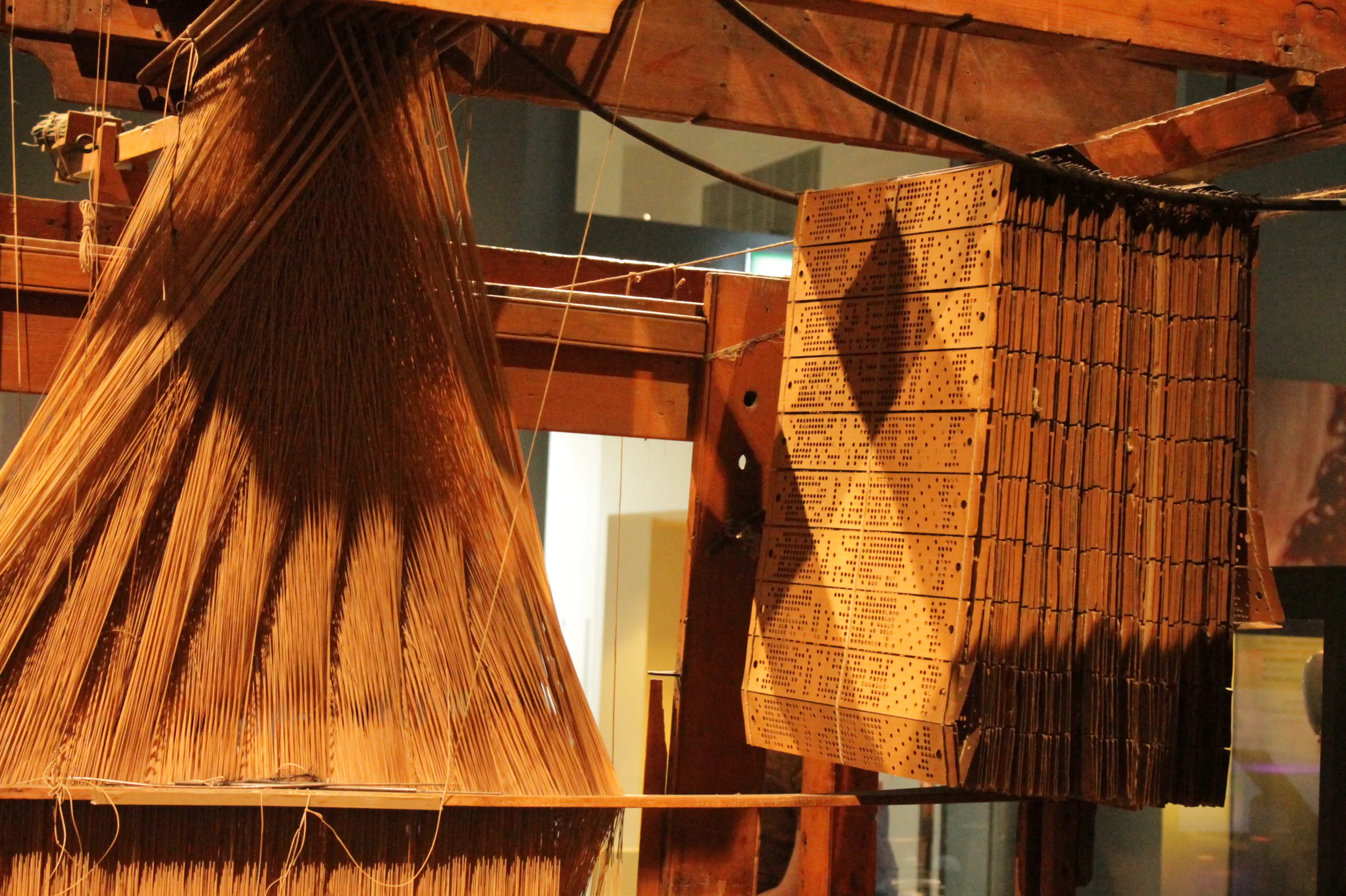
1804
Punched cards
Jacquard's loom weaves whatever pattern a chain of punched cards describes. They're instructions for a machine, written a century before computers.
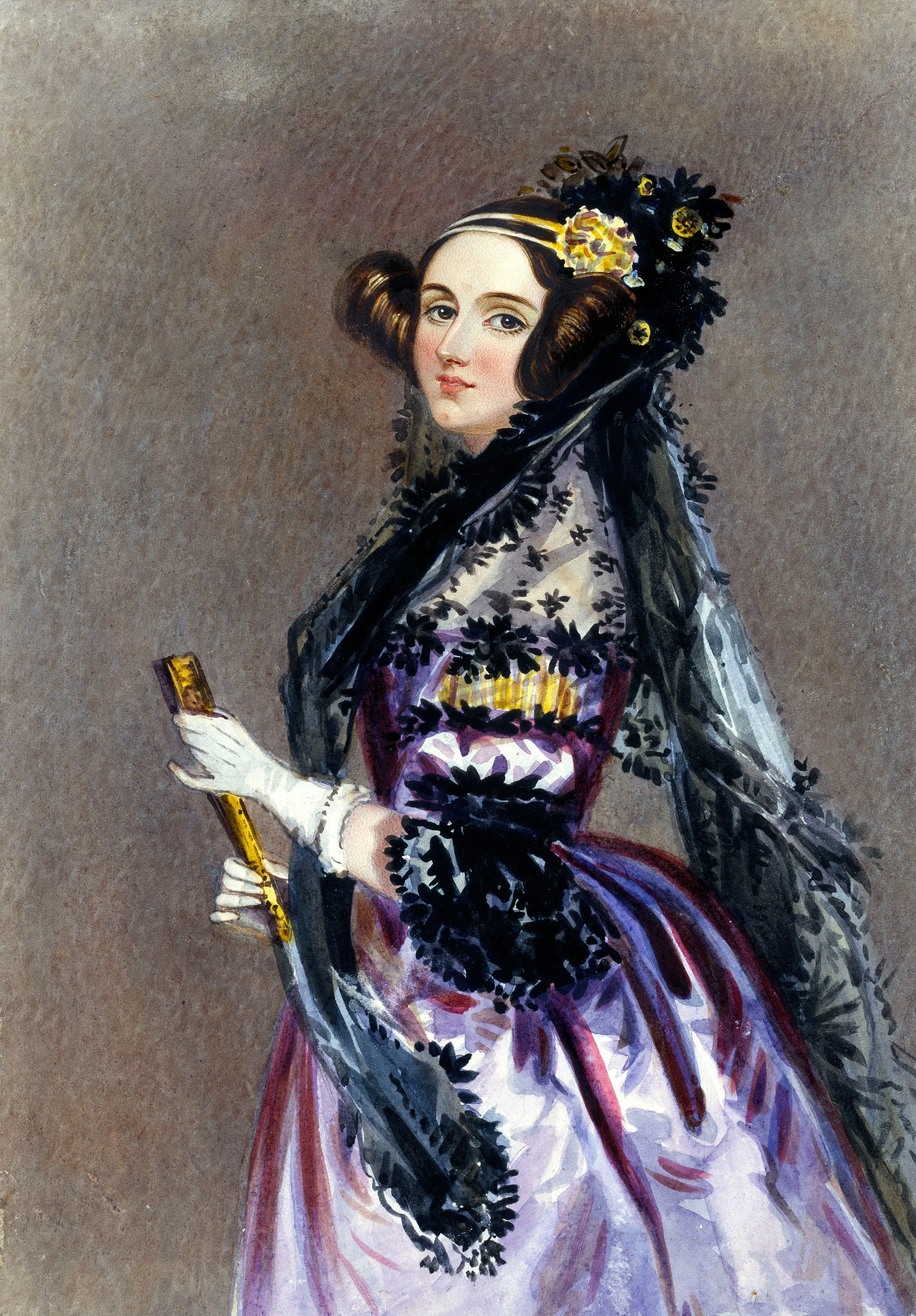
1843
The first program
Ada Lovelace publishes an algorithm for Babbage's Analytical Engine. She also notes that it can only do what we know how to tell it to do.
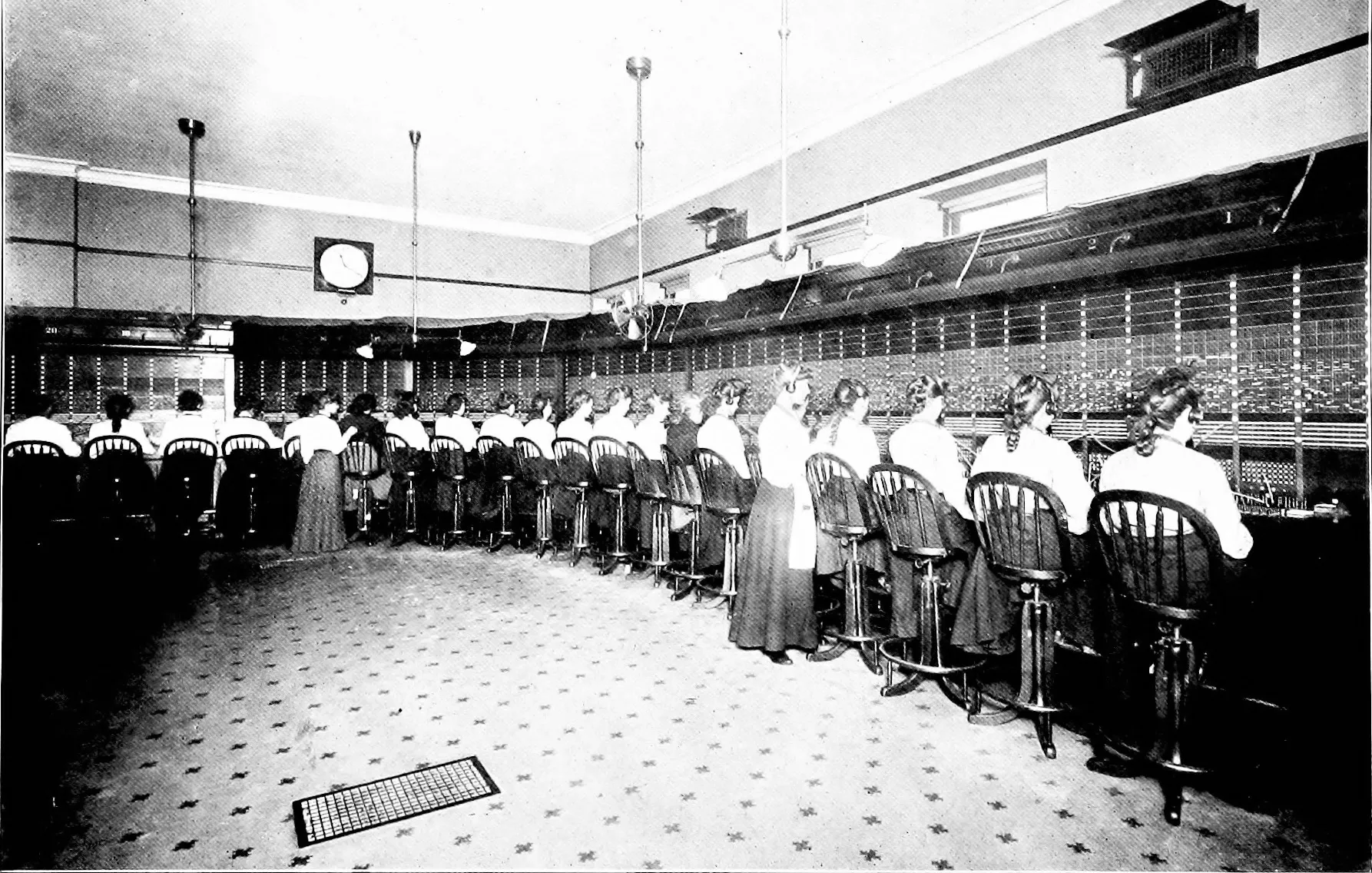
1877
Hello
Edison suggests “hello” as the word for answering the telephone. It's a greeting made for talking through a machine.
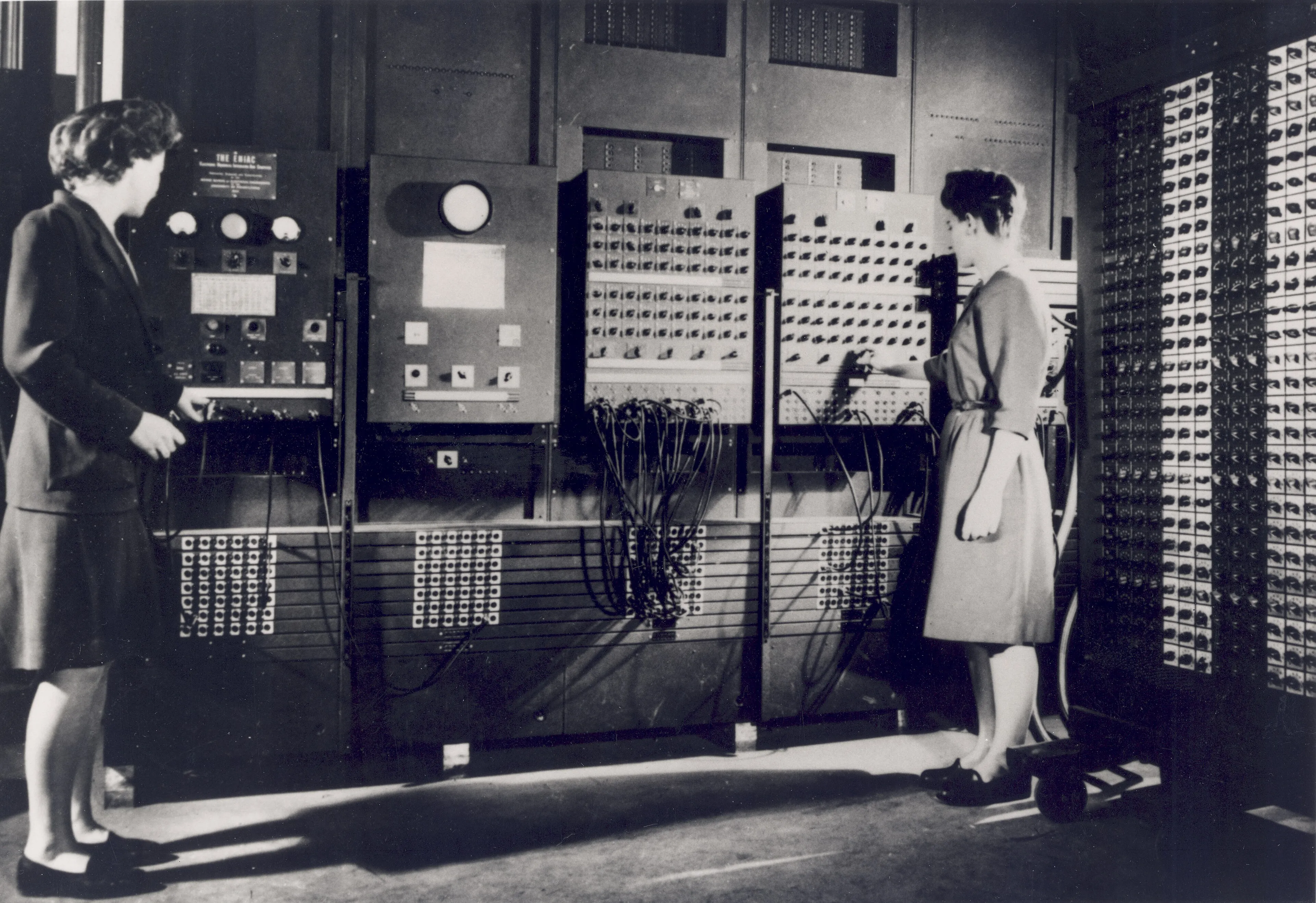
1946
The operators
Six women program ENIAC by hand, patching cables and setting switches. The machine is fast. They decide what it computes.
Now
Hello, machine
Language models write, design, test and keep watch. A person still decides what they're for, and that's how we run every project.
The first move is the reason the rest hold. It's the same shape whatever the package.
Before anything is designed, we work out what's actually going on. We look at the tools you already use and write a one-page read on where time and money are leaking. A lot of projects change shape at this point, and they're usually better for it.
We design the thing and the mechanism behind it at the same time. Words, structure, interface and data model are worked out together, so the design is never a surface stretched over something that can't hold it. You sign off the direction before we build.
Built to be used on an ordinary Tuesday, not demoed once. Accessibility, speed and clear copy are part of the build from day one. They don't get bolted on in the last week.
Systems drift. We stay long enough to see how yours behaves. After launch we watch what people do, fix what gets in their way and keep a short list of experiments. What works stays. What doesn't gets removed.
A lot of technology gets bought, launched and quietly ignored. The systems that last make something concrete easier: understanding a situation, making a decision, explaining it to someone else, getting through the day with less friction. We hold our own work to that test.
A dashboard nobody acts on is a cost with a nice interface. We start from the decision someone has to make and work back to the tool.
It runs through every stage of our production, so it's never a line item on your invoice. In your business we use it where it beats the current process, say so when it doesn't, and keep the work defensible to the person who has to run it.
Strategy that never reaches an interface stays a document. We take positions in public: in the structure, in the language, in the way a screen behaves.
We ask about the business model and push back when the brief is wrong. We also stay accountable for whether it works long after the day it ships.
The best first message is the messy one: the process nobody wants to own, the site that undersells you, the idea you haven't been able to scope. A person replies within one working day, usually the one who'd run your project.